Don’t Replace, Restore: A Practical Guide to Making Your Floors Last Longer
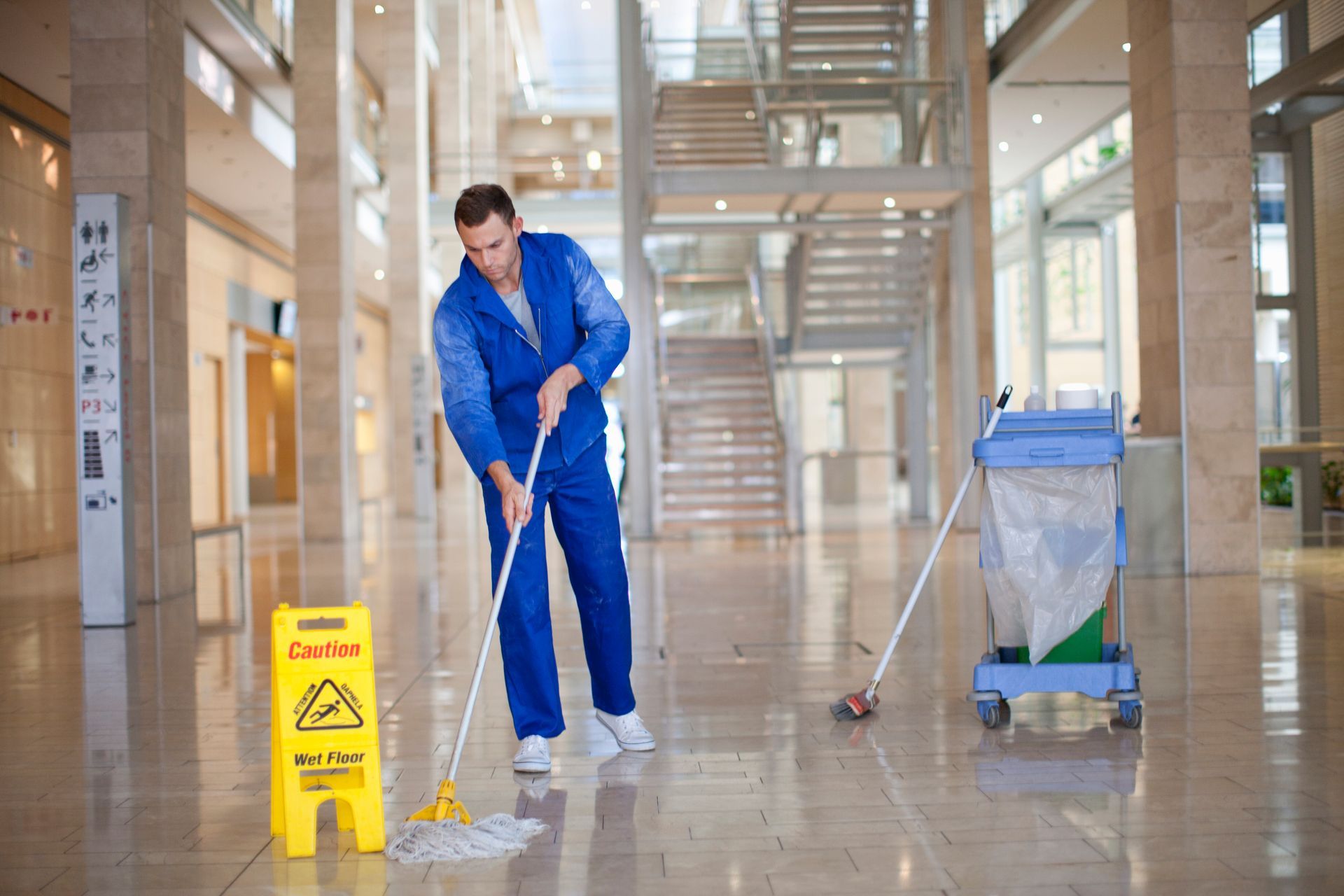
If there’s one thing that gets ignored until it’s a total disaster, it’s the office floor. We walk on it every day, move chairs over it, and track in whatever is on our shoes, rarely giving it a second thought until one day you realize the carpet is permanently matted or the hard floors have lost their shine and look… well, sad.
Replacing commercial flooring is a massive, expensive project that usually requires shutting down parts of your office. The good news? You can often avoid that headache entirely with a little bit of strategy.
Here is how you can stop looking at your floors as a recurring expense and start treating them like the long-term asset they are.
Why "Wait and See" Costs You a Fortune
The biggest mistake facility managers make is waiting until the floors look terrible before calling for a deep clean. By the time you notice deep staining or wear patterns, the damage is often already done.
Commercial flooring takes a beating. From high-traffic hallways to desk chair casters, the surface integrity wears down over time. When you stick to a "reactive" cleaning schedule—cleaning only when it looks dirty—you’re essentially letting dirt act like sandpaper, grinding away the finish on your hard floors or breaking down the fibers in your carpet.
The Power of Proactive Care
Think of professional floor maintenance like an oil change for your car. It’s not just about aesthetics; it’s about longevity.
**For Carpet:** Regular, professional extraction cleaning pulls out the deep-seated grit that a standard vacuum just can’t reach. Removing that grit prevents the fibers from fraying and keeps the carpet looking plush and clean for years longer than it would otherwise.
**For Hard Floors:** Whether it’s vinyl, tile, or hardwood, keeping a protective finish (like wax or a sealer) is everything. That finish takes the abuse, not the floor itself. By buffing and re-coating on a set schedule, you keep the floor underneath looking brand new.
Seasonal Planning: Fighting the Elements
Your floors are at the mercy of the weather outside. In the winter, salt and grit act like ice-melt-flavored sandpaper. In the spring and summer, it’s pollen and moisture. A solid floor maintenance plan adjusts to the seasons. For example, focusing on entry mat management during the wet months can save you from having to do a full carpet extraction in the lobby every time it rains.
When to Call the Pros
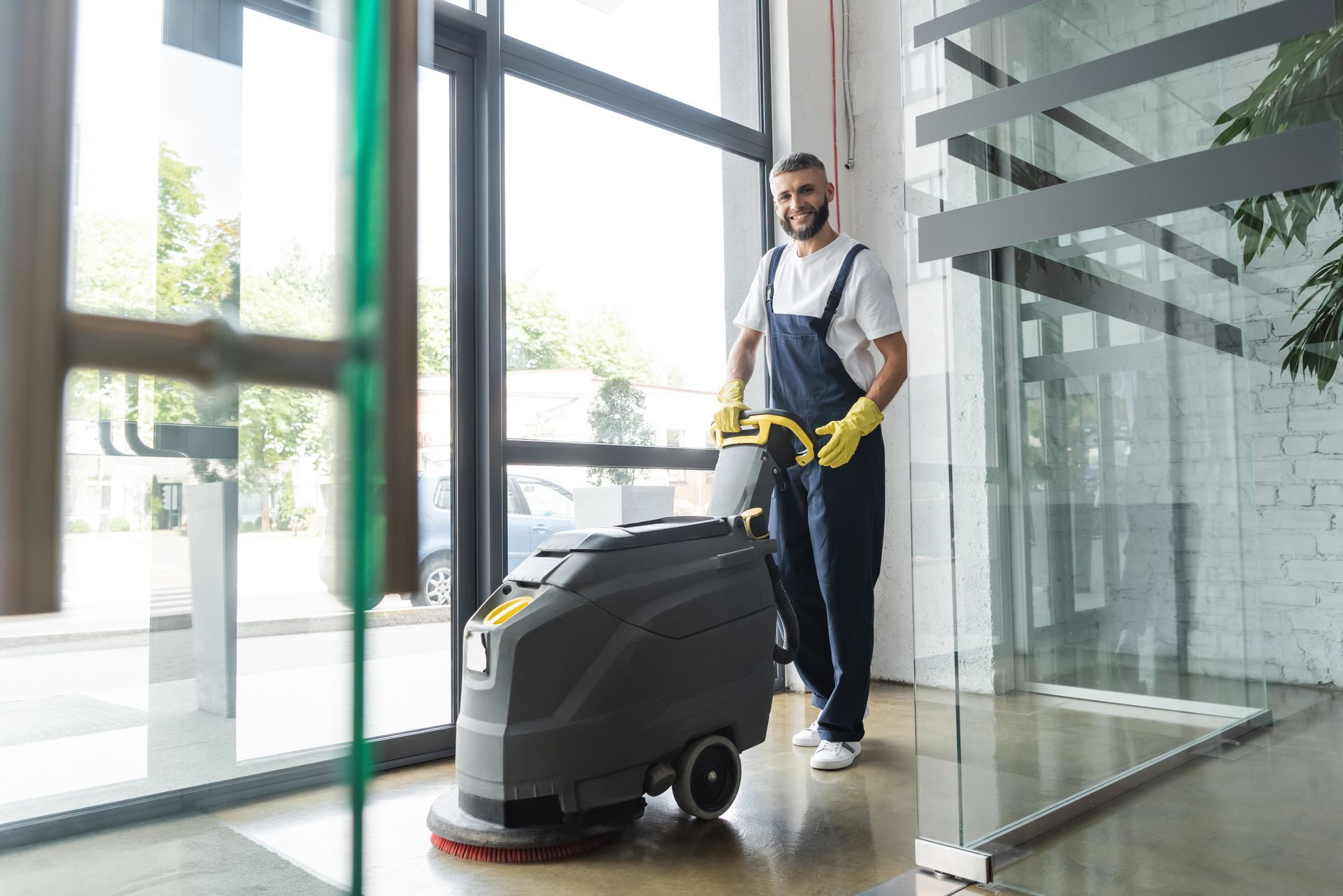
Can your internal cleaning staff handle the day-to-day? Absolutely. But there is a point where you need the heavy-duty equipment. If your lobby floor has lost its reflection, or if your high-traffic carpet paths are starting to turn gray no matter how much you vacuum, it’s time to bring in a team with the industrial-grade extractors and high-speed buffers.
Professional restoration can bring a tired, "ready to be replaced" floor back to life, saving you thousands of dollars in capital expenditure.
The Bottom Line
Flooring is one of the biggest investments in your facility. Treating it with a consistent, professional maintenance plan isn't just about making the place look sharp for clients—it’s about financial responsibility. Why pay for a brand-new floor when you can keep your current one in great shape for a fraction of the cost?
Ready to stop the cycle of wear and tear?
Protecting your flooring investment doesn't have to be complicated. Let us take a look at your current setup and build a maintenance plan that fits your facility's needs and saves you from a premature replacement. Click here to schedule a consultation—let’s make those floors last!
Check out some of our other blog posts...

The Office Cleaning Checklist for Athens, GA Businesses (Or: Why the Yogurt Is Plotting Against You)