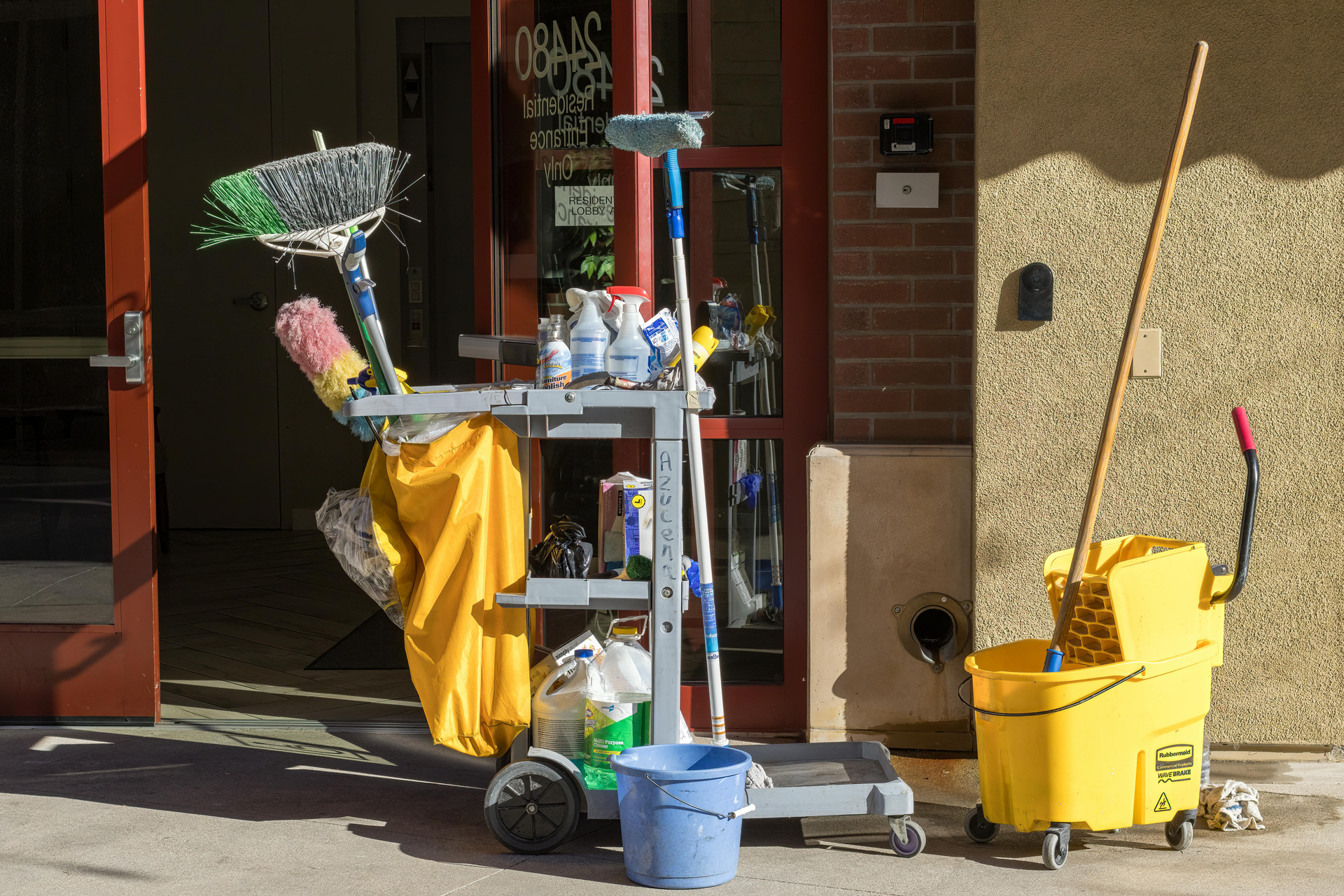
Smarter Commercial Cleaning in 2026: How Businesses Can Improve Facility Health, Appearance, and Cost Control
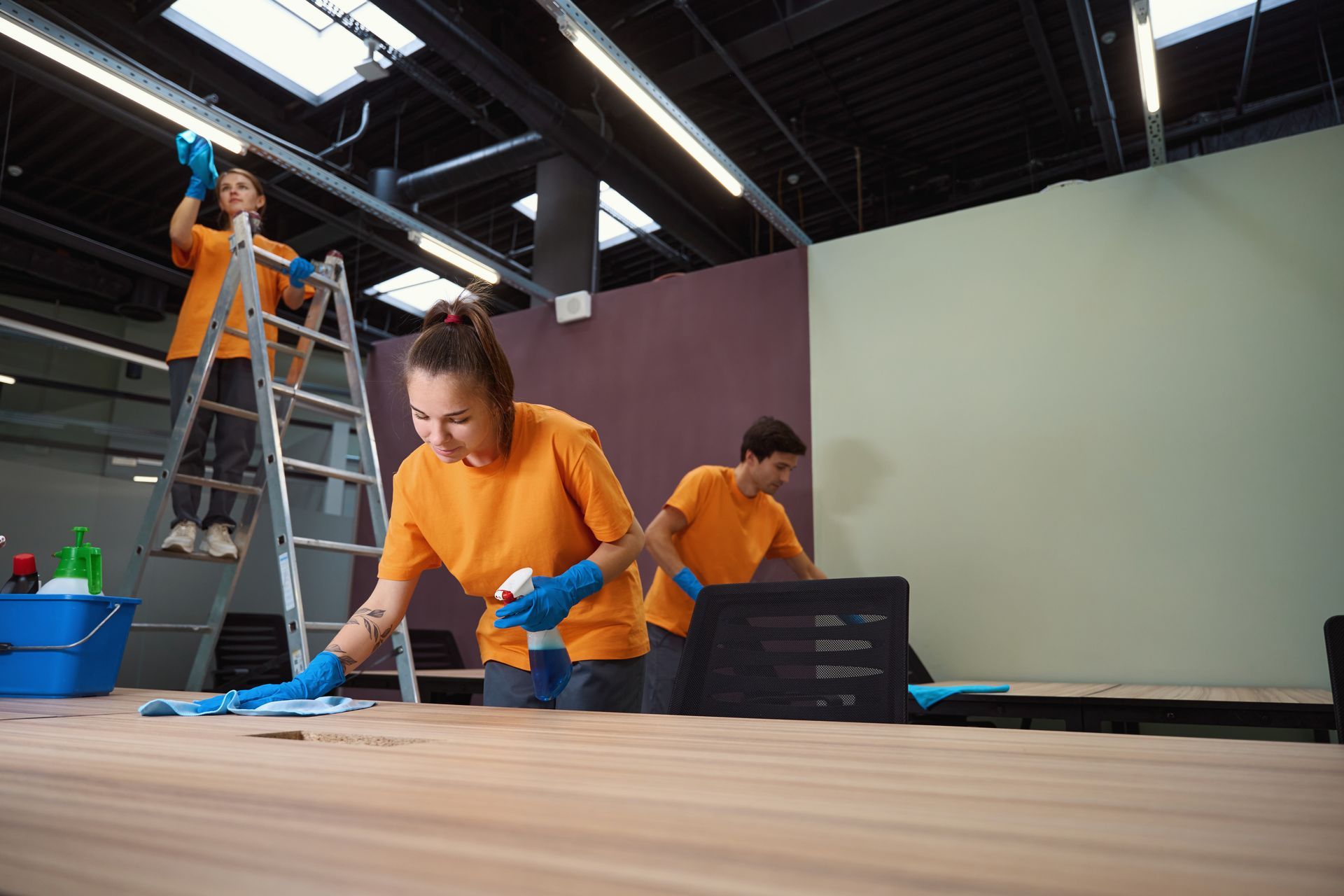
Your office building is dirtier than you think. I don't mean that as an insult. I mean it as a scientific fact, verified by nobody, but I'm saying it with confidence because that's how facts work now.
Here is the truth about commercial cleaning services: for decades, they have operated on a system best described as "somebody with a mop shows up after dark and does...something." Nobody supervised it. Nobody measured it. The whole industry ran on faith, the same way we trust that the meat in a hot dog is technically food.
That era is over. In 2026, smart businesses are treating cleaning the way they treat payroll or the fire extinguisher inspection: as a real system with real accountability, not a mystery that happens while everyone's asleep. This matters because a clean workplace shapes employee morale, customer impressions, and how long your carpet survives before it starts looking like something recovered from a shipwreck.
The best cleaning programs are not generic. They are built around how your building actually gets used, not around a laminated checklist somebody printed in 2011. That's the whole philosophy behind how C&C Janitorial builds a program for your facility, your traffic patterns, and your particular collection of coffee-related tragedies.
Why "One-Size-Fits-All" Cleaning No Longer Works
Let's get one thing straight: a pediatric dental office and a warehouse full of forklifts do not have the same cleaning needs. I realize this sounds obvious when I say it out loud, and yet the commercial cleaning industry has spent years pretending otherwise, applying the identical scope of work to a law firm, a gym, and a place that manufactures, for all I know, replacement gym socks.
Different facilities carry different risks. A medical office needs different attention than a retail storefront. An industrial site has different concerns than a school. This is not controversial. It is, in fact, the single least controversial statement in this entire article, and I intend to milk it for all it's worth.
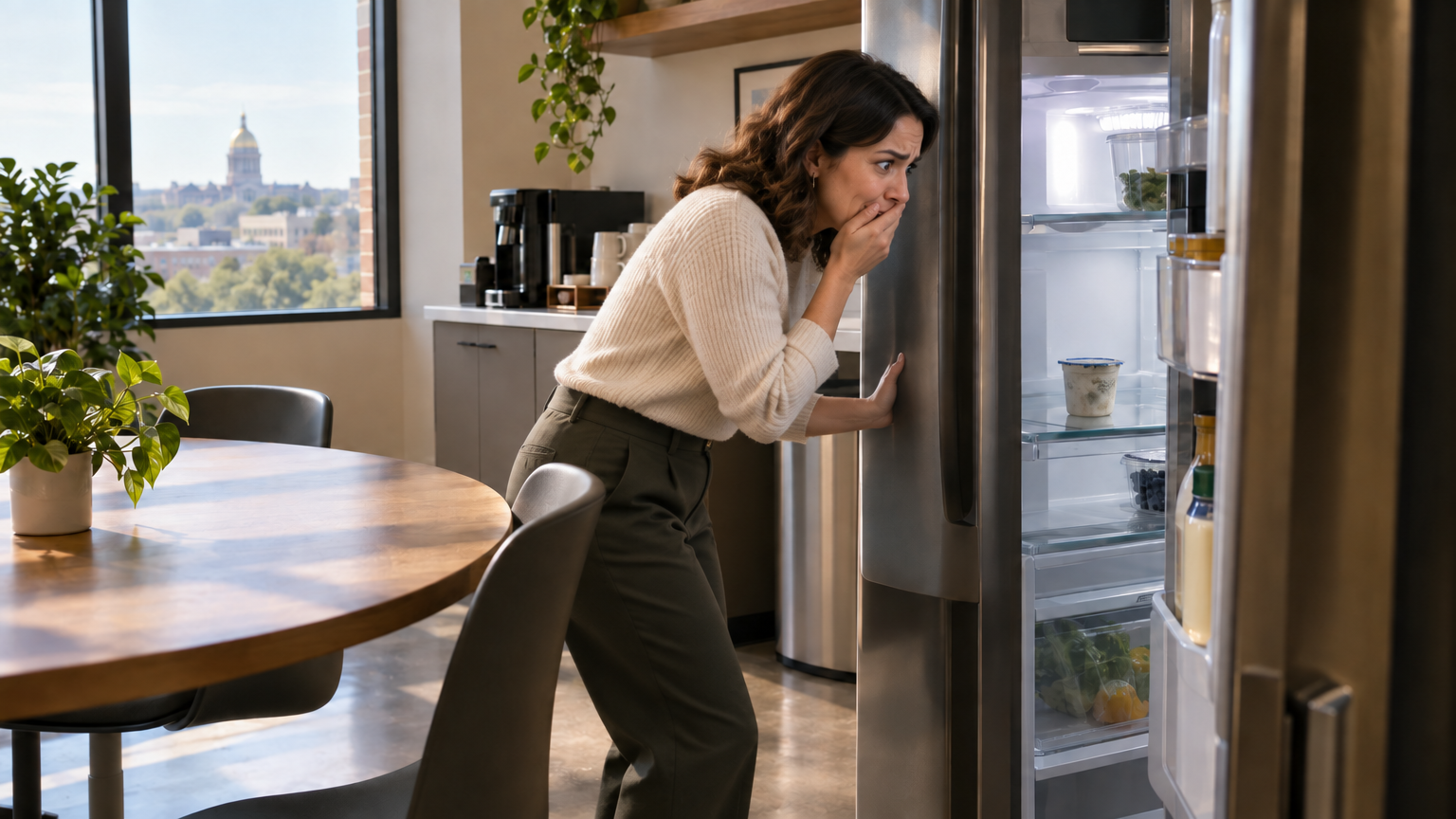
Consider the lobby, the break room, and the restroom — the Bermuda Triangle of office cleanliness, where reputations go to die. The lobby needs daily attention because it is the first thing a visitor sees, right after the sign that says "Please Wait to Be Buzzed In," which nobody has ever obeyed. The break room, meanwhile, hosts a level of microwave-based chaos that would concern the CDC, so it often needs more frequent cleaning than a private office where the worst thing that happens is a stapler jam. And entryways need extra love during rainy season, when your lobby floor briefly becomes a splash pad.
Skip the high-touch surfaces — door handles, elevator buttons, shared equipment — and you end up with complaints, odors, premature floor wear, and a general employee mood best described as "quietly furious."
The Biggest Commercial Cleaning Priorities for Today's Facilities
Health-Focused Cleaning and High-Touch Surfaces
There is a difference between cleaning, sanitizing, and disinfecting, and no, I will not pretend I invented that distinction, because I am not a chemist, I am a man who once tried to disinfect a doorknob with hand sanitizer and a paper towel and called it a day.
A real commercial janitorial services program pays serious attention to restrooms, door handles, elevator buttons, reception counters, and break rooms — using the right products at the right frequency. I want to be careful here, because no cleaning company can honestly promise that mopping a floor will stop an illness in its tracks. What a quality program can do is remove one significant layer of risk, using procedures that are consistent instead of vibes-based.
More Visible Quality Control
Here is a question every facility manager eventually asks, usually around 11 p.m. while standing in an unusually sticky hallway: "Is the work I'm paying for actually happening?"
A professional operation should be able to answer that with something more convincing than a shrug. That means:
- Site checklists that someone actually checks.
- Supervisor inspections that involve an actual supervisor.
- A clear reporting channel — not a phone number that rings into the void.
- Defined service standards, written down, in words, on paper.
- Fast responses when something goes sideways.
This is janitorial quality control, and it is the difference between a professional commercial cleaning company and a guy with a bucket and a prayer.
Flexible Cleaning Schedules
Some buildings need daytime porter service. Some need evening janitorial visits. Some need a deep clean every few weeks and a light touch the rest of the time. Right-sizing the schedule keeps standards up without paying for cleaning nobody needed, the facility-management equivalent of not buying a boat you'll use twice.
Sustainable and Low-Impact Cleaning Choices
Sustainable commercial cleaning is not a marketing sticker. It's product selection, waste reduction, efficient dilution systems, and responsible water use — the kind of thing that lets a facility manager tell the board "we're being responsible" without lying. And critically: green cleaning still has to actually clean things. A product that's gentle on the planet but useless on a break-room microwave explosion is not a win for anybody.
What a Smart Commercial Cleaning Plan Should Include
Consider this your facility cleaning checklist for evaluating a provider, presented, as is tradition around here, in list form with commentary.
- A walkthrough before a quote. Real square footage, floor types, restroom count, traffic patterns, and access rules — not a number pulled from thin air. A quote written without seeing your building is basically a guess wearing a suit.
- A written scope of work. Areas serviced, tasks completed, frequency, daytime vs. after-hours expectations, supplies included, and periodic services like carpet or window care. Compare scopes, not just the bottom-line price — the cheapest number on the page has fooled more facility managers than I care to count.
- Prioritized cleaning by traffic and risk. Entrances, restrooms, break rooms, conference rooms, shared workstations, high-touch points, and floors get attention according to how hard they actually get used, not according to which room looks nicest in a brochure.
- Communication and accountability. A named point of contact. A real plan for spills, special events, holiday closures, and quality concerns — because "email the general inbox and hope" is not a system, it's a wish.
How Better Cleaning Can Support Cost Control
Here's the part nobody explains at budget meetings: professional cleaning isn't just an expense line item, it's basically insurance for your flooring, carpets, fixtures, and furniture. Regular attention prevents the kind of "catch-up cleaning" that costs three times as much once neglect has had a few months to compound, like unpaid parking tickets, except with more grout.
"Commercial cleaning value is measured by consistency, communication, and the condition of the facility — not by the lowest number on a proposal."
The bargain-basement bid that skips labor, quality checks, and defined responsibilities usually turns out to be the most expensive decision you never remember making.
Questions to Ask Before Hiring a Commercial Cleaning Company
Print this, laminate it, tape it to your desk — I don't care, just use it:
- Do you do a walkthrough before quoting?
- Is the scope of work written clearly enough that I can actually compare it to other bids?
- How do you inspect the work, and what happens when something's wrong?
- Who is my actual day-to-day contact — a human, not a hold-music loop?
- Can the schedule flex for traffic, events, or seasonal chaos?
- What training does your cleaning staff receive?
- Are your insurance and credentials current?
- What products and equipment do you use?
- Can you handle periodic services on top of routine work?
- What's the process when I need something urgent?
A Sample Commercial Cleaning Plan (Mid-Size Professional Office)
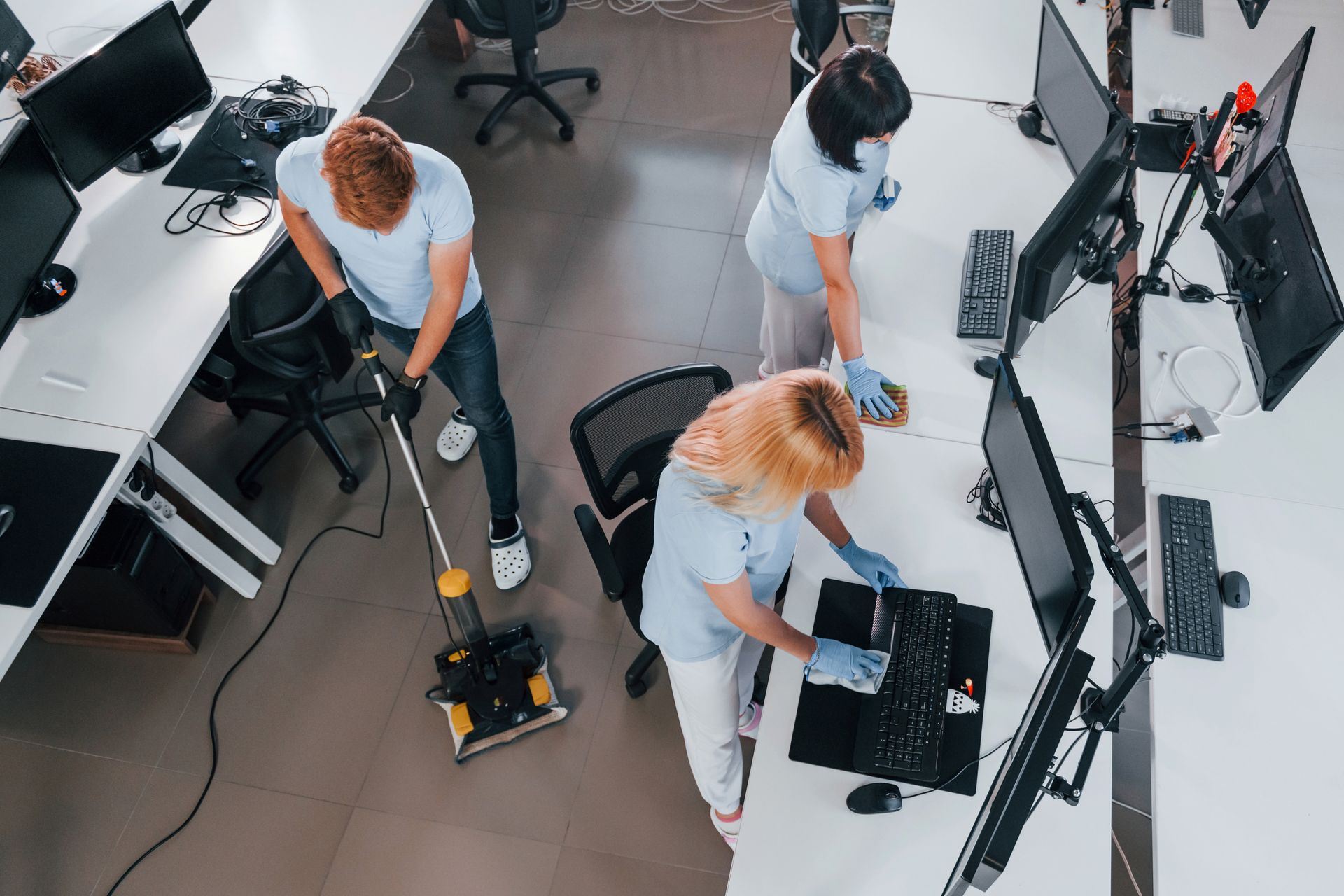
- Daily: Empty trash, clean and restock restrooms, wipe high-touch surfaces, clean break-room counters and sinks, maintain high-traffic flooring.
- Weekly: Detail dusting, spot-clean interior glass, clean conference spaces, address baseboards and corners.
- Monthly or periodic: Carpet spot treatment, floor detailing, deeper restroom cleaning, vents, and other hard-to-reach surfaces.
Every building is different, so consider this a demonstration of how frequencies get organized, not a universal prescription — your building deserves its own site-specific evaluation, not a template borrowed from a stranger's office three states away.
How C&C Janitorial Builds a Better Cleaning Program
C&C Janitorial starts with your facility — your schedule, your priorities, your particular flavor of chaos — instead of handing you a generic package pulled off a shelf. That means a customized scope, trained personnel, clear communication, and a level of attention to detail that notices things before they become a smell.
Whether you need recurring janitorial service, office cleaning, restroom care, floor maintenance, or a fully customized facility-cleaning plan, C&C Janitorial can help you build a program that actually fits your building and your budget — not the other way around.

Frequently Asked Questions
How often should a commercial office be professionally cleaned? It depends on occupancy, visitor traffic, restroom use, layout, and whether there's a food-service area involved. High-traffic spaces need more frequent attention than the storage closet nobody's opened since March.
What should be included in a commercial cleaning contract? Areas cleaned, tasks performed, frequency, schedule, supply responsibilities, periodic services, communication process, and exclusions — in writing, not implied.
Is daytime cleaning or after-hours cleaning better? Neither wins outright. Daytime service catches issues as they happen; after-hours minimizes disruption. Plenty of facilities land on a mix of both.
Why is a walkthrough important before receiving a cleaning quote? Because a provider who hasn't seen your building is quoting a building that doesn't exist. A walkthrough catches traffic levels, floor types, restroom counts, and access needs before they become surprises on an invoice.
Can commercial cleaning services support sustainability goals? Yes — ask your provider about product selection, efficient equipment, proper chemical dilution, reusable tools, and waste-reduction practices.
The Bottom Line
A cleaner facility starts with a clearer plan, not a lower number on a page. And here's the part I mean without a joke attached: a good janitorial program is one of the few business decisions that quietly makes every single day a little better, for your employees and for the people who walk through your door.
Contact C&C Janitorial today to schedule a walkthrough and discuss a commercial cleaning program built around your property, your people, and your priorities.
Your lobby will thank you. It cannot speak. But it will thank you.
Check out some of our other blog posts...

The Office Cleaning Checklist for Athens, GA Businesses (Or: Why the Yogurt Is Plotting Against You)