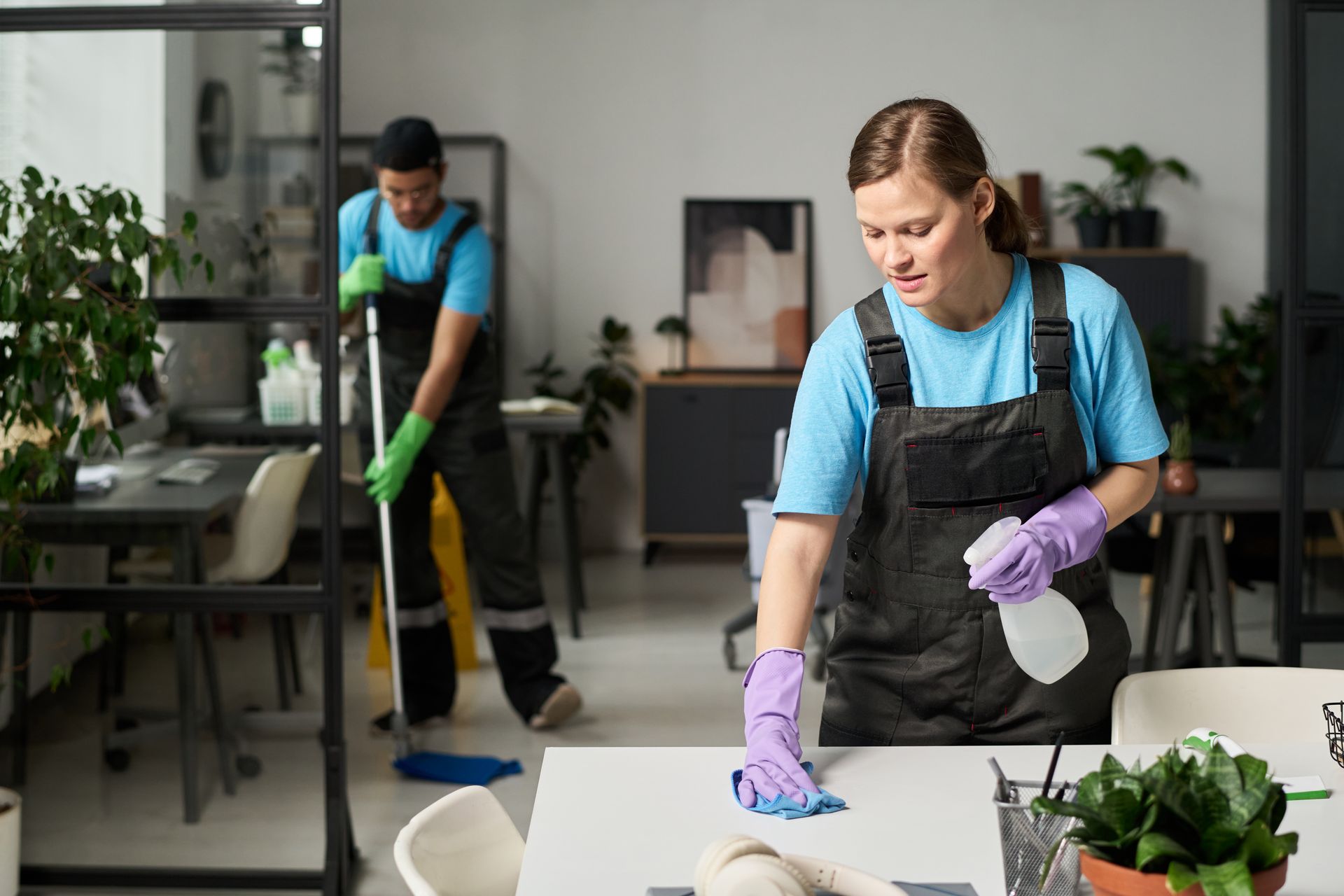
Your Office Smells Like a Pine Tree Had a Nervous Breakdown, and That's a Problem
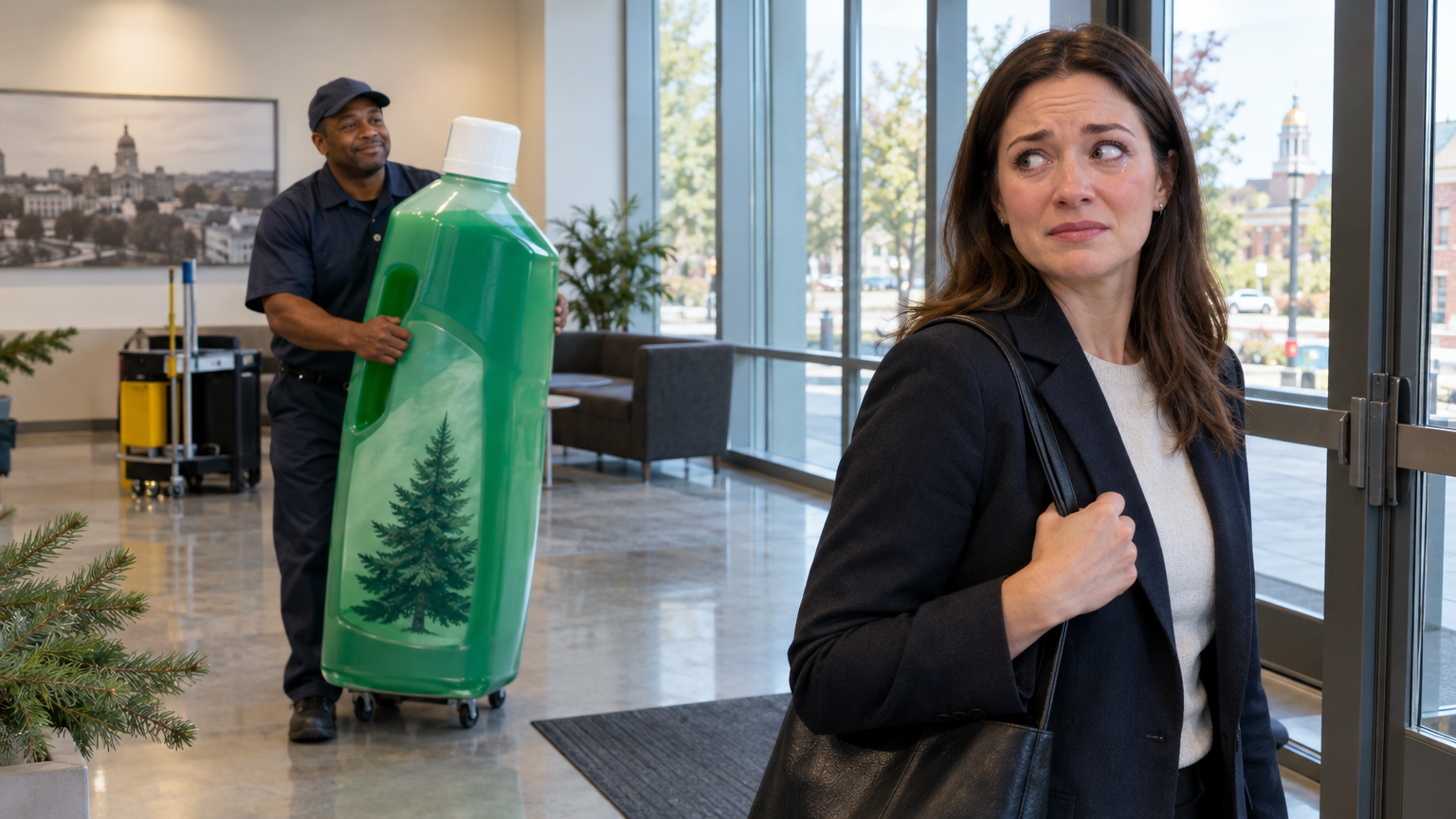
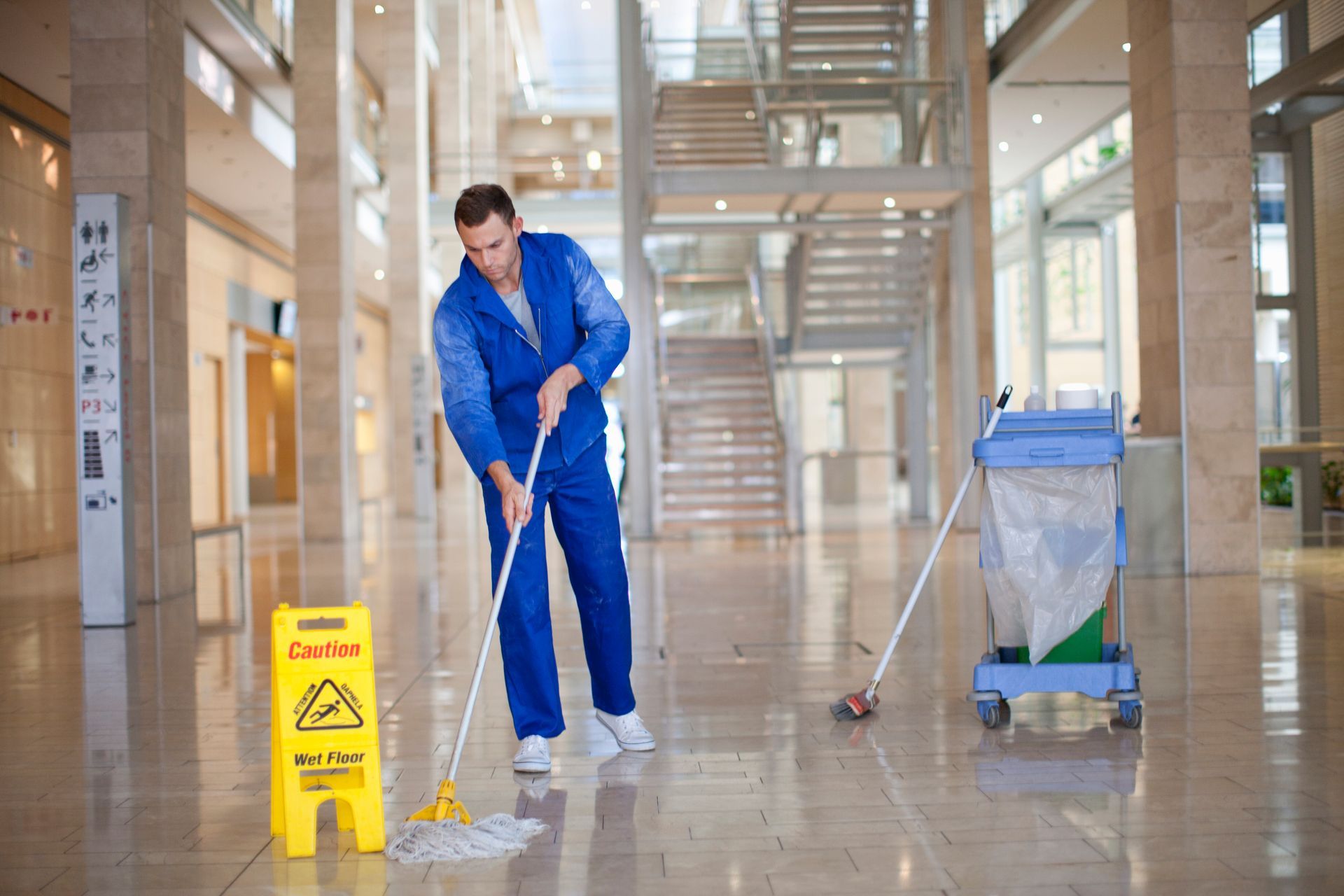
Let's talk about something nobody wants to talk about, which is cleaning products, and specifically the fact that for most of human history, "clean" has smelled like a chemical warfare demonstration. You walk into a freshly mopped office and your eyes start watering and your sinuses file a formal grievance, and somehow we all decided this meant the floor was extra clean, the way a smoke detector going off means the toast is extra toasted.
Here in Athens, Georgia — home of the University of Georgia, several billion dollars of biotech research equipment, and a startling number of buildings where the carpet has opinions — this is changing. Fast. Corporate campuses, medical suites, and university-adjacent research facilities are quietly replacing the eye-watering chemical approach with something new: science-backed, independently certified green cleaning. Not the marketing kind, where somebody slaps a leaf on the spray bottle and calls it a day. The real kind, with paperwork.
This matters more than you think. Certified green cleaning isn't a granola-crunching feel-good extra anymore. It's an operational safeguard, a box you now must check to win institutional contracts, and — this is the part your CFO will actually care about — a documented driver of employee productivity. So let's walk through what it is, why the government suddenly cares, and how you tell the real thing from a bottle with a nice font.
What Is This IJCSA Thing and Why Should You Trust It?
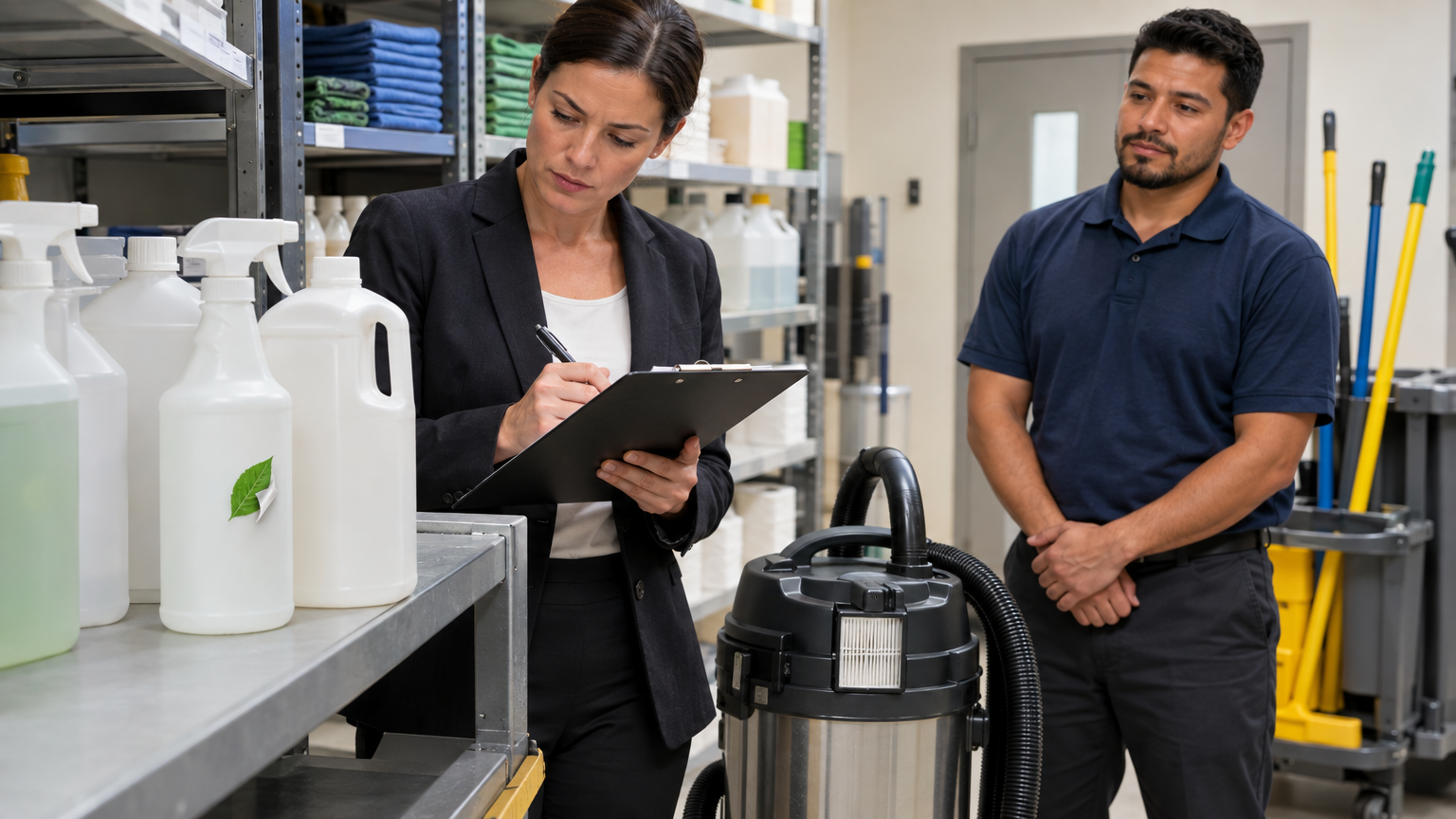
The International Janitorial Cleaning Services Association (IJCSA) is an independent body that does something shockingly rare in the cleaning industry: it checks whether companies are actually doing what they claim, using an actual clipboard, instead of just trusting the leaf graphic.
To earn IJCSA Green Clean Certification, a company has to prove it follows real protocols. I'm talking about:
- Chemical safety and proper dilution — meaning nobody's technician is eyeballing bleach ratios like a line cook making a Bloody Mary, which matters a great deal when the runoff eventually finds its way toward the Oconee River basin.
- Green Seal™ or EPA Safer Choice certified chemistry — actual verified formulas, not a product that's "green" because the label is the color green.
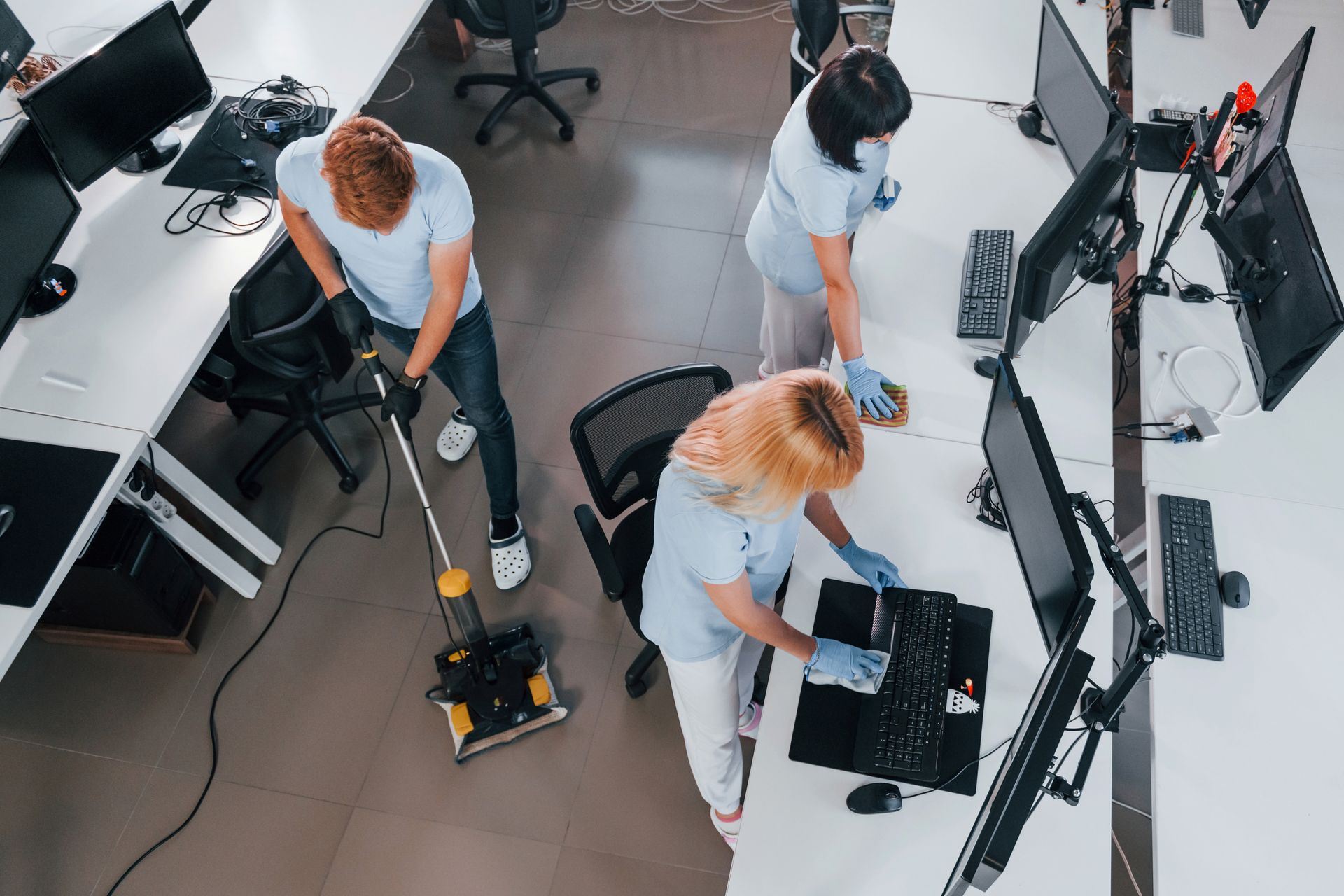
- HEPA-filtration equipment — vacuums that trap fine particulate matter instead of just relocating your dust from the floor to the air, where it can pursue a second career in your lungs.
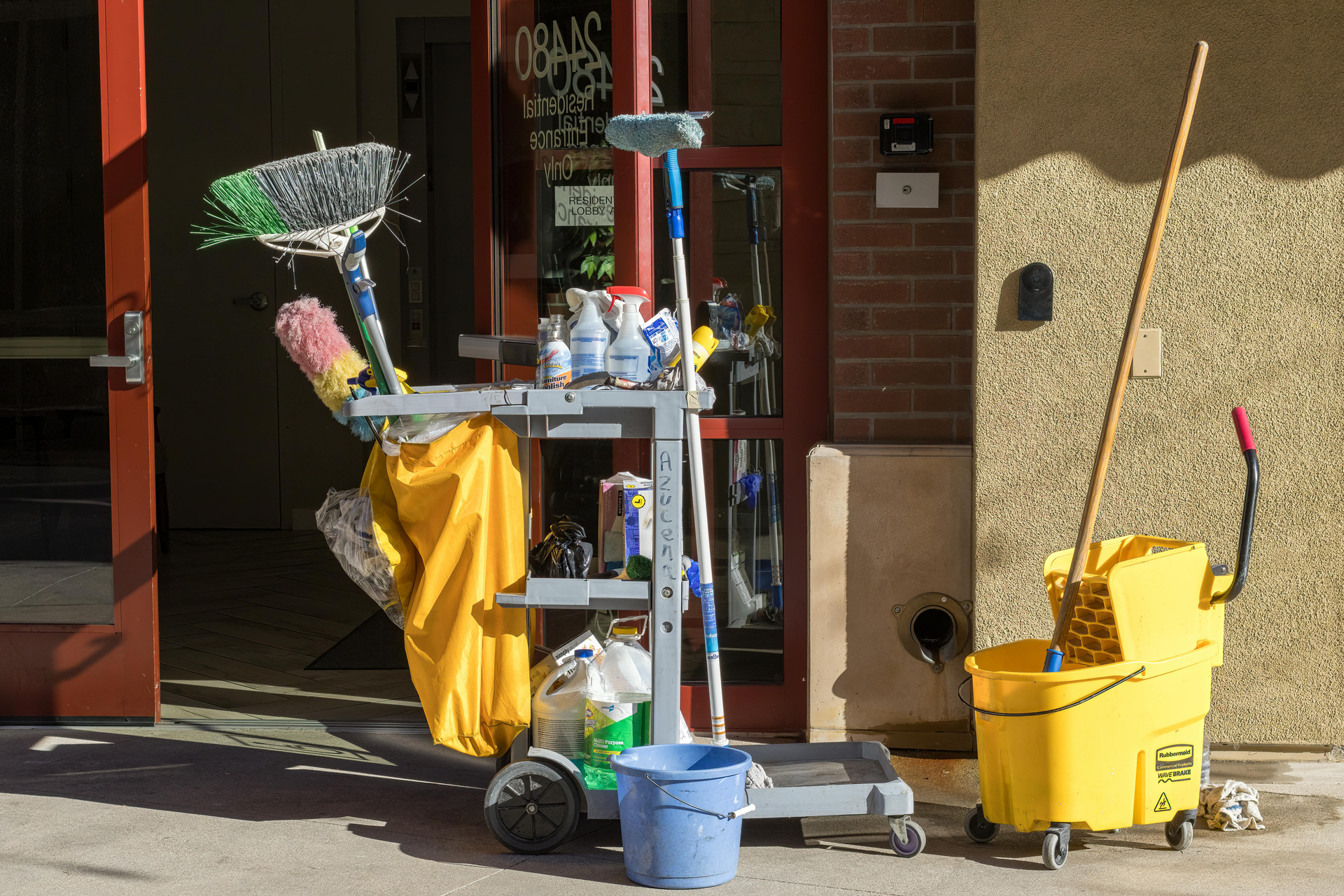
- Structured waste-reduction and microfiber laundering systems — because, I am not making this up, there is a correct, trackable way to launder cleaning rags, and yes, someone audits it.
Compare this to "greenwashing," the industry's favorite hobby, which is the janitorial equivalent of writing "gluten-free" on a bag of gluten-free gravel. Certified technicians go through documented, continuing training. A guy with a spray bottle and a positive attitude does not.

The Paperwork Monster: Procurement, RFPs, and Why Georgia Suddenly Cares
Here's where it gets bureaucratic, so buckle up. If you manage a municipal facility, a government office, a university building, or a corporate campus anywhere in Georgia, you've probably noticed that Requests for Proposals (RFPs) have changed. Sustainability used to be a nice-to-have, worth a few bonus points, like extra credit on a test nobody studied for. Now it's often a mandatory baseline. No certification, no bid.
A lot of this traces back to LEED — Leadership in Energy and Environmental Design — specifically the "Existing Buildings: Operations and Maintenance" category, which is the one that actually depends on what your janitorial contractor does every single night after everyone goes home. A certified green cleaning partner makes an auditor's job dramatically easier, because they already have the receipts: verified supply chains, Material Safety Data Sheets (MSDS/SDS), and cleaning logs that don't look like they were reconstructed from memory the night before the inspection.
There's also the small matter of not getting sued. Proper OSHA HazCom (Hazard Communication) protocols, correct chemical handling, and trained technicians mean fewer chemical accidents, less etched marble in your very expensive lobby, and fewer workers' comp claims. Risk mitigation isn't exciting, but neither is a lawsuit, and only one of those two things is optional.
The Air You're Breathing Is Doing Something, and It's Not Nothing
Let's talk about Volatile Organic Compounds, or VOCs, which is the polite scientific term for "the stuff that makes your office smell like a candle factory caught fire." Conventional petroleum-based solvents, synthetic fragrances, and chlorine-based cleaners release VOCs into the air your employees breathe for eight-plus hours a day, which — and this really is true, I checked — has been linked to occupational asthma, migraine triggers, and eye irritation.
Low-VOC protocols and HEPA air capture directly reduce this. That translates into fewer sick days, less seasonal illness bouncing around the break room like a rumor, and a workplace that doesn't require employees to develop a tolerance the way you'd train for a marathon.
There's also the retention angle. Skilled professionals — the ones you spent a fortune recruiting — increasingly notice this stuff. Nobody wants to work in a building that smells like it's actively trying to disinfect them personally. A visibly health-conscious facility is now a recruiting tool, right up there with free coffee, except it doesn't run out at 10 a.m.
The Athens Facility Manager's No-Nonsense Vendor Checklist
Before you sign another janitorial contract, ask your vendor these four questions. If they get nervous, that's data.
- Is your green program independently accredited — like IJCSA — or is it just something your marketing department invented on a Tuesday?
- Can you produce an actual inventory of the EPA Safer Choice or Green Seal products used in my building?
- Do your technicians get regular, documented HazCom and cross-contamination training, or did they learn on the job by trial, error, and the occasional minor chemical incident?
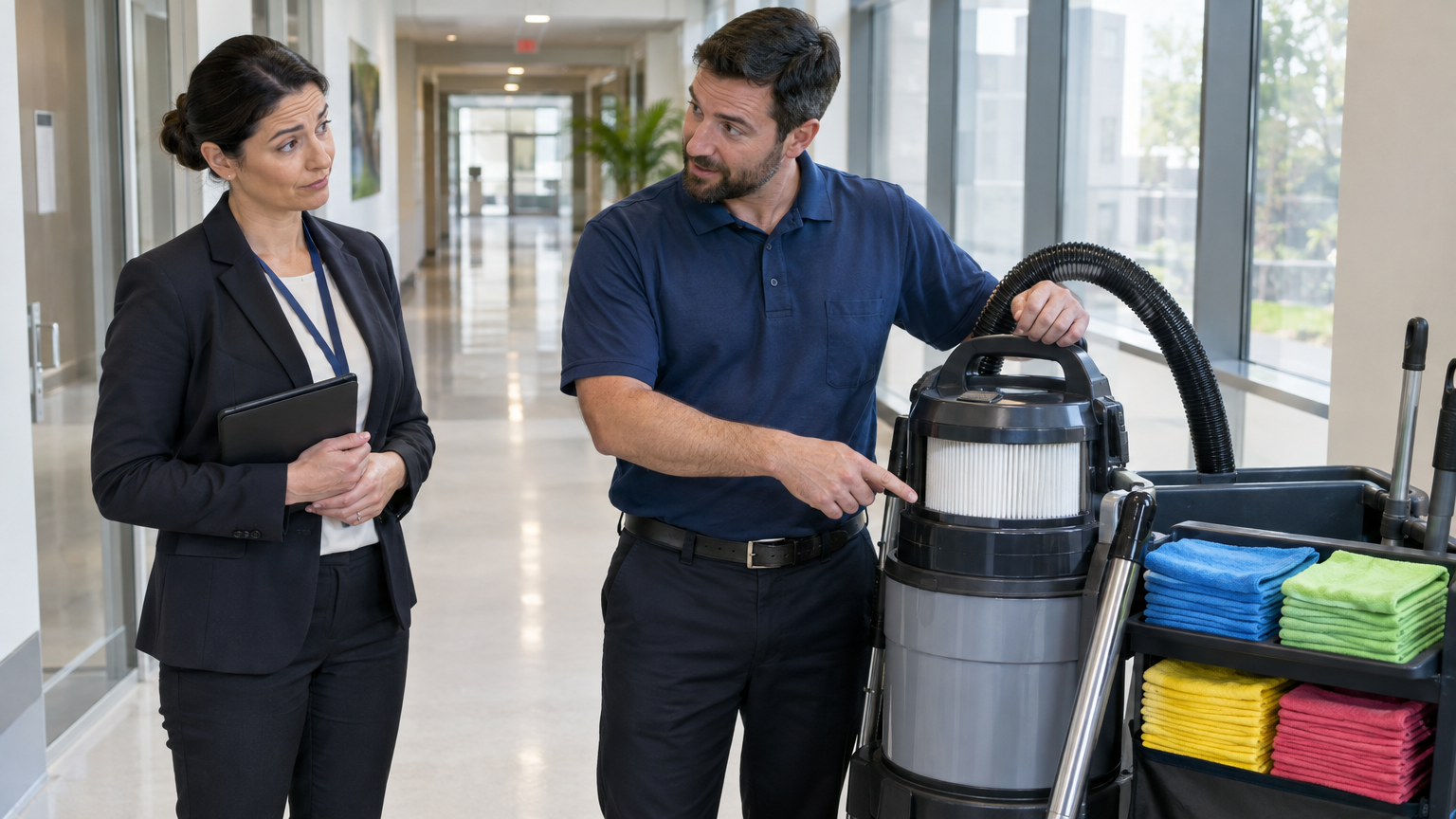
- What specific equipment — HEPA extraction, color-coded microfiber systems — is actually deployed in my facility, as opposed to described in your sales brochure?
And here's a distinction worth making: there's a real difference between a national franchise subcontracting your account to whoever answered the phone that week, and a locally rooted, owner-operated company that's been accountable to this exact community for 20-plus years. One of those companies knows your building. The other one knows your zip code.
So, Where Does This Leave You?
Here's the plain version, no jokes: an IJCSA Green Clean Certification protects your building's physical assets, protects the health of the people inside it, and protects your standing when it's time to bid on the contracts that matter. Environmental standards in Georgia commercial property management are only going to tighten from here — this is not a trend that reverses itself.
C&C Janitorial has been an Athens-based, owner-operated cleaning company for more than two decades, and we can walk you through exactly where your building stands — certifications, RFP requirements, air quality, all of it — with an actual facility green-cleaning audit, not a sales pitch dressed up as one.
If you manage a facility anywhere in Athens or Northeast Georgia and you'd like to talk it through, reach out to C&C Janitorial for a consultation.
Your lungs, and your next RFP scorecard, will thank you.
Check out some of our other blog posts...